How We Teach Birding
Observation is a skill. Like any skill, it improves with structured practice, useful feedback, and the right tools. That's the foundation of everything we do.
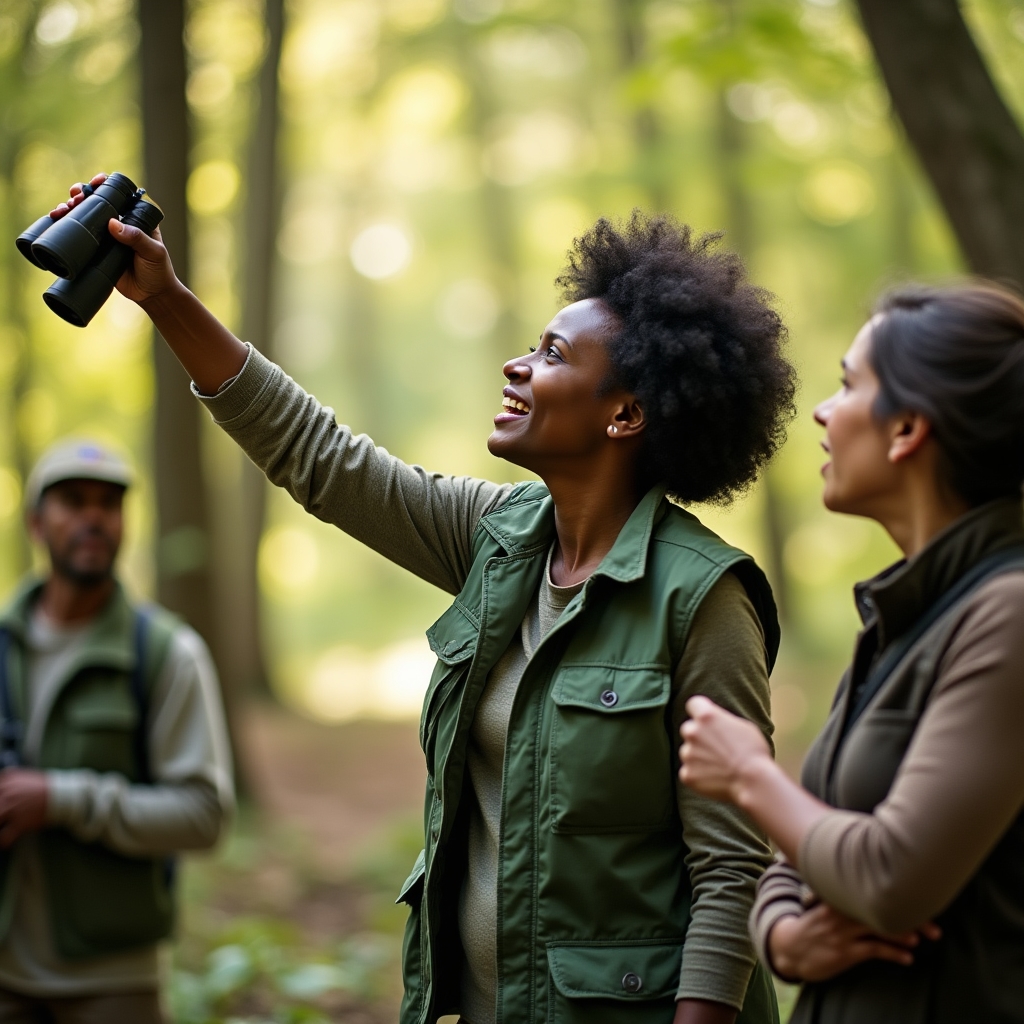
Skills compound. Checklists don't.
Many birding resources are organized around species lists. See the bird, check the box. That approach produces collectors, not observers. Moyazi Kayizi is built differently.
We teach you to read a scene. What does the vegetation structure tell you? What time of year is it, and what does that mean for behavior? Why is that bird at the water's edge rather than in the canopy? These questions lead to genuine understanding, not just a longer life list.
The practical result is that you become more capable in unfamiliar locations. When you travel to a new region, you already know how to look. The specific species are new; the skill of finding and identifying them is already yours.
Four principles that shape every module
Observation before identification
We ask learners to describe before they name. This builds the habit of looking carefully rather than reaching for an app the moment a bird appears. Identification follows naturally from good observation.
Context over memorization
Understanding why a species appears in a habitat is more durable than memorizing field marks. Context anchors knowledge and helps you apply it when conditions don't match the textbook illustration.
Tools as aids, not answers
Apps and field guides are powerful when you know how to evaluate what they suggest. We teach critical use of tools so you can confirm or question an ID rather than accept it automatically.
Ethics as practice, not policy
Ethical observation isn't a list of rules to follow reluctantly. We teach the reasoning behind ethical guidelines so participants internalize them as part of good birding craft, not compliance.
Online content meets outdoor application
Watch and Read
Each module opens with video instruction and curated reading. You're introduced to a skill, shown what it looks like in practice, and given the context to understand why it matters.
Practice with Guided Exercises
Online practice exercises test your ability to apply concepts: identifying species from photographs, matching habitat descriptions to bird communities, interpreting behavioral cues.
Go Outside
A structured outdoor exercise closes each module. You receive a location-agnostic observation protocol that you apply in any accessible outdoor space: a park, a trail, a backyard, a shoreline.
Reflect and Connect
After your outdoor session, guided reflection prompts help you connect what you observed to the module content. This consolidates learning and surfaces questions for the next module.
See how the paths are structured
Explore the three learning paths and find where to start based on your current experience level.